Managing diabetes does not mean giving up the food you love. If you have grown up eating steaming plates of rice with dal and maacher jhol, the idea of a “diabetes diet” can feel like losing a part of yourself. But here is the truth: Bengali cuisine, when eaten the right way, is one of the most diabetes-friendly food cultures in India. You just need to know what to tweak, what to keep, and what to enjoy in moderation.
As an IDA-certified dietitian and diabetes educator based in Kolkata, I have helped hundreds of patients manage their blood sugar without abandoning their culture. This guide is everything I tell my patients in their first consultation.
The Bengali Staples — What to Keep, What to Change
Rice: The Biggest Concern
Bengali cooking features a rich variety of vegetables — shim, potol, lau, begun, pumpkin, and greens like pui shaak and methi shaak. All are excellent for diabetes. These are low in calories, high in fibre, and rich in vitamins that support insulin sensitivity.
Limit aloo (potato) and sweet potato as they are high GI. If you love aloo posto, have a very small portion and always pair it with protein.
Mishti: The Hard Truth
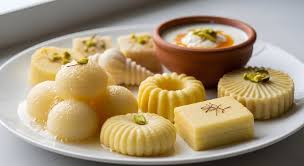
This is where most of my Kolkata patients push back. Mishti doi, rosogolla, sandesh — these are not just food, they are emotion. The answer is not “never eat sweets.” The answer is: eat small portions on special occasions, not daily.
A better daily sweet fix: a small piece of date (khejur) or a few raisins with a handful of nuts. This satisfies the craving with far less impact on blood sugar.
—
A Sample Day of Eating for a Diabetic Bengali
Morning (7–8 AM): Overnight soaked methi seeds in warm water, followed by two whole-wheat rotis or a small bowl of daliya with vegetables. Avoid white bread or biscuits.
Mid-Morning (10–11 AM): A handful of roasted chana or a small bowl of makhana. Pair with a cup of green tea (no sugar).
Lunch (1–2 PM): One small katori of parboiled rice + one bowl of dal + one fish curry (mustard/light gravy) + one vegetable sabzi. Finish with a small cup of plain curd (no sugar).
Evening Snack (5 PM): A boiled egg or a small bowl of sprouts chaat with lemon and cumin.
Dinner (7:30–8:30 PM): Two phulkas with a vegetable or paneer dish and dal. Avoid rice at dinner if possible — it creates less of a spike earlier in the day.
3 Common FAQs I Hear From Diabetic Patients in Kolkata
Q: Can I eat rice every day with diabetes?
A: Yes, in controlled portions with the right accompaniments. Parboiled rice is better than polished white rice.
Q: Is mustard oil safe for diabetics?
A: Yes. Mustard oil contains omega-3 and omega-9 fatty acids that are heart-healthy and do not spike blood sugar. Use in moderate quantities.
Q: Should I stop eating fruit?
A: No. But choose low-GI fruits like guava, jamun, papaya, and apple over mangoes, grapes, and bananas, which are high in natural sugar.
The Bottom line is that the diabetes management is not about restriction — it is about balance. Bengali food, with its emphasis on fish, lentils, vegetables, and mustard oil, is already a healthy foundation. Small, guided changes to portion size and food combinations can make a dramatic difference to your blood sugar readings.
If you are looking for a personalised diabetes diet plan in Kolkata, book a consultation with Dt. Bhaswati Banerjee https://share.google/3WhAT7bKYA1UsSenb — IDA-certified dietitian and diabetes educator with over 7 years of experience.