

Mental health is just as important as physical health—but it’s often overlooked. While therapy, sleep, and lifestyle play major roles, your diet also has a powerful impact on your mood, stress levels, and overall mental well-being.
If you’ve been feeling low, anxious, or mentally drained, your food choices might be contributing more than you think.
In this guide, let’s explore how diet affects mental health, what to eat, what to avoid, and simple habits to support your mind through nutrition.
The Link Between Diet and Mental Health

Your brain requires a constant supply of nutrients to function properly. Just like your body, it depends on vitamins, minerals, healthy fats, and energy from food.
Poor nutrition can lead to:
- Low energy and fatigue
- Mood swings
- Increased stress and anxiety
- Difficulty concentrating
On the other hand, a balanced diet supports:
- Better mood regulation
- Improved focus and memory
- Reduced stress and anxiety
- Stable energy levels
The Gut-Brain Connection
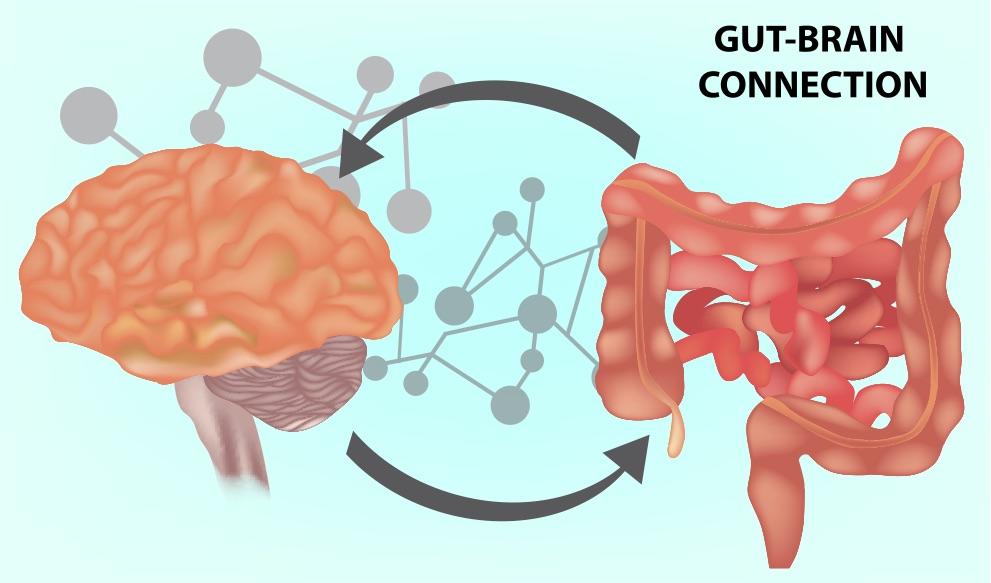
Did you know your gut and brain are directly connected?
The gut is often called the “second brain” because it produces neurotransmitters like serotonin—the hormone responsible for happiness and mood stability.
An unhealthy gut can negatively impact mental health, leading to increased anxiety and low mood.
To support gut health:
- Eat fiber-rich foods
- Include probiotics (curd, fermented foods)
- Avoid excessive processed foods
Key Nutrients for Mental Health
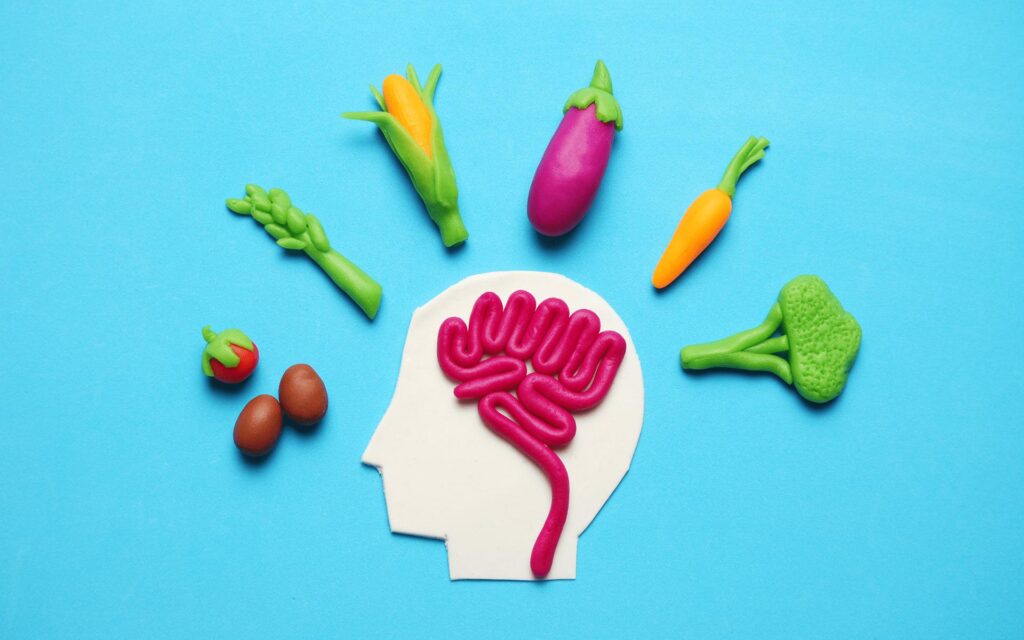
1. Omega-3 Fatty Acids
Omega-3s are essential for brain function and reducing inflammation.
Sources:
- Fatty fish (salmon, mackerel)
- Walnuts
- Flaxseeds and chia seeds
2. B Vitamins
These vitamins play a key role in brain function and energy production.
Sources:
- Whole grains
- Eggs
- Leafy greens
- Legumes
3. Magnesium
Magnesium helps regulate stress and promotes relaxation.
Sources:
- Nuts and seeds
- Dark chocolate
- Spinach
4. Protein & Amino Acids
Protein provides amino acids needed to produce neurotransmitters like dopamine and serotonin.
Sources:
- Eggs
- Dairy
- Lentils
- Chicken and fish
5. Antioxidants
Antioxidants protect the brain from oxidative stress.
Sources:
- Fruits (berries, citrus)
- Vegetables
- Green tea
Foods That Can Negatively Affect Mental Health

1. Excess Sugar
Can cause mood swings and energy crashes.
2. Processed Foods
Lack essential nutrients and may increase inflammation.
3. Excess Caffeine
Can increase anxiety and disturb sleep.
4. Alcohol
May temporarily relax you but worsens mental health over time.
How Eating Habits Affect Your Mind

It’s not just what you eat—but how you eat.1. Excess Sugar
Can cause mood swings and energy crashes.
2. Processed Foods
Lack essential nutrients and may increase inflammation.
3. Excess Caffeine
Can increase anxiety and disturb sleep.
4. Alcohol
May temporarily relax you but worsens mental health over time.
How Eating Habits Affect Your Mind
It’s not just what you eat—but how you eat.
✔ Skipping Meals
Leads to low blood sugar, causing irritability and fatigue.
✔ Overeating or Emotional Eating
Can create guilt and affect mood.
✔ Irregular Meal Timings
Disrupt energy levels and focus.
✔ Poor Hydration
Even mild dehydration can affect concentration and mood.
Lifestyle Tips to Support Mental Health


✔ Stay Hydrated
Water is essential for brain function.
✔ Eat Regular Meals
Maintain stable blood sugar levels.
✔ Practice Mindful Eating
Pay attention to what and how you eat.
✔ Get Enough Sleep
Sleep and nutrition work together for mental health.
✔ Stay Physically Active
Exercise boosts mood and reduces stress.
Your diet is not a replacement for professional mental health care—but it is a powerful tool that can support your emotional well-being.A personalized nutrition plan from a professional dietitian can help address specific concerns like anxiety, fatigue, or low mood more effectively. (visit:https://share.google/3WhAT7bKYA1UsSenb)
By nourishing your body with the right foods, maintaining healthy habits, and being mindful of your lifestyle, you can create a strong foundation for better mental health.
Remember—small changes in your daily diet can lead to big improvements in how you feel.