

Losing weight can feel frustrating—especially when you’re eating “healthy,” working out regularly, and still not seeing results. If you’ve been stuck on a weight loss plateau, you’re not alone. Many people struggle not because they aren’t trying hard enough, but because they’re following the wrong strategies.
From a dietitian’s perspective, sustainable weight loss is not about extreme diets or quick fixes—it’s about understanding your body, your habits, and your lifestyle.
Let’s break down the real reasons why you’re not losing weight—and what you should do instead.

1. You’re Eating Too Little (Yes, Really)
One of the biggest mistakes people make is drastically cutting calories. While it may seem logical, eating too little can actually slow down your progress.
When you restrict calories too much, your body goes into “survival mode,” slowing your metabolism to conserve energy. This makes weight loss harder over time.
Instead of burning fat efficiently, your body holds onto it.
What to do instead:
Focus on a balanced diet with adequate calories, protein, and nutrients. Sustainable weight loss comes from consistency—not starvation.
2. You’re Losing Muscle, Not Fat
Crash dieting often leads to muscle loss rather than fat loss. Muscle is metabolically active, meaning it helps you burn more calories—even at rest.
When you lose muscle, your metabolism slows down, making future weight loss even more difficult.
What to do instead:
Include protein-rich foods and strength training in your routine to preserve muscle mass.
3. Your Weight Loss Is Just Water Weight
Ever noticed rapid weight loss in the beginning, followed by a plateau? That’s because initial weight loss is often just water weight—not fat.
When glycogen stores are depleted, your body releases water, leading to quick but temporary weight loss. Once you resume normal eating, the weight comes back.
What to do instead:
Track long-term fat loss instead of short-term scale changes.
4. Your Metabolism Has Slowed Down
Repeated dieting or extreme calorie restriction can reduce your metabolic rate. This means your body burns fewer calories than before.
This is why many people experience a “plateau” after initial weight loss.
What to do instead:
- Avoid yo-yo dieting
- Eat enough to fuel your body
- Stay physically active
5. You’re Not Eating a Balanced Diet
Cutting out entire food groups (like carbs or fats) may seem effective, but it often leads to nutrient deficiencies.
Crash diets typically lack essential nutrients like vitamins, minerals, and healthy fats, which can cause fatigue, cravings, and hormonal imbalance.
What to do instead:
Follow a balanced Indian diet that includes:
- Complex carbs (roti, rice, oats)
- Protein (dal, paneer, eggs)
- Healthy fats (nuts, seeds)
- Fiber (vegetables, fruits)

6. You’re Not Consistent Enough
Consistency beats perfection every time.
Many people follow strict diets for a few days and then binge eat due to cravings. This cycle—called yo-yo dieting—leads to weight regain and metabolic damage.
What to do instead:
Adopt realistic habits you can maintain long-term.
7. Your Lifestyle Is Working Against You
Weight loss is not just about food. Factors like sleep, stress, and daily activity play a huge role.
- Poor sleep increases hunger hormones
- High stress triggers emotional eating
- Sedentary lifestyle reduces calorie burn
What to do instead:
- Sleep 7–8 hours daily
- Manage stress (yoga, meditation)
- Stay active (8–10k steps/day)
8. You Expect Fast Results
One of the biggest reasons people fail is unrealistic expectations.
Healthy weight loss is slow and steady—around 0.5 to 1 kg per week. Rapid weight loss is usually unsustainable and often regained.
What to do instead:
Shift your focus from quick results to long-term health.
9. You’re Following Generic Diet Plans
Every body is different. A diet that works for someone else may not work for you.
Factors like:
- Age
- Hormones
- Medical conditions
- Lifestyle
…all affect your weight loss journey.
What to do instead:
Consult a qualified dietitian for a personalized plan tailored to your needs.

10. You’re Ignoring Hidden Calories
Even “healthy” foods can lead to weight gain if consumed in excess.
Common culprits:
- Sugary drinks
- Excess oil
- Packaged snacks
- “Healthy” but high-calorie foods
What to do instead:
Practice portion control and mindful eating.
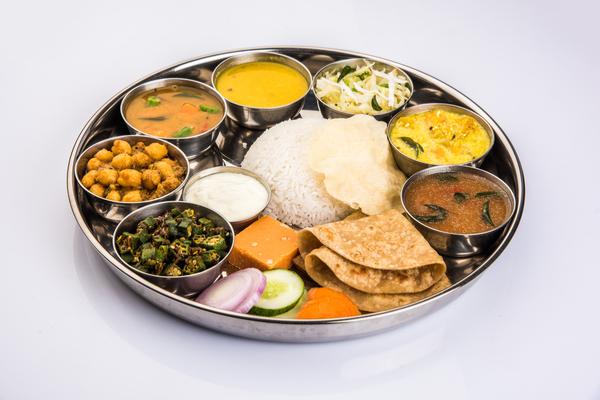
What Actually Works: A Dietitian’s Approach
Instead of extreme dieting, focus on sustainable habits:
✔ Balanced Nutrition
Eat all food groups in the right proportion.
✔ Consistency Over Perfection
Small daily habits matter more than strict rules.
✔ Strength + Movement
Combine workouts with daily activity.
✔ Mindful Eating
Listen to your hunger and fullness cues.
✔ Personalization
Follow a plan designed specifically for your body.
If you’re not losing weight, it’s not because you’re failing—it’s because your approach needs adjustment.
Crash diets, extreme restrictions, and unrealistic expectations often do more harm than good. Research shows these approaches are hard to sustain and often lead to weight regain.
The key to real transformation lies in sustainable habits, balanced nutrition, and expert guidance.
Visit https://share.google/3WhAT7bKYA1UsSenb for more