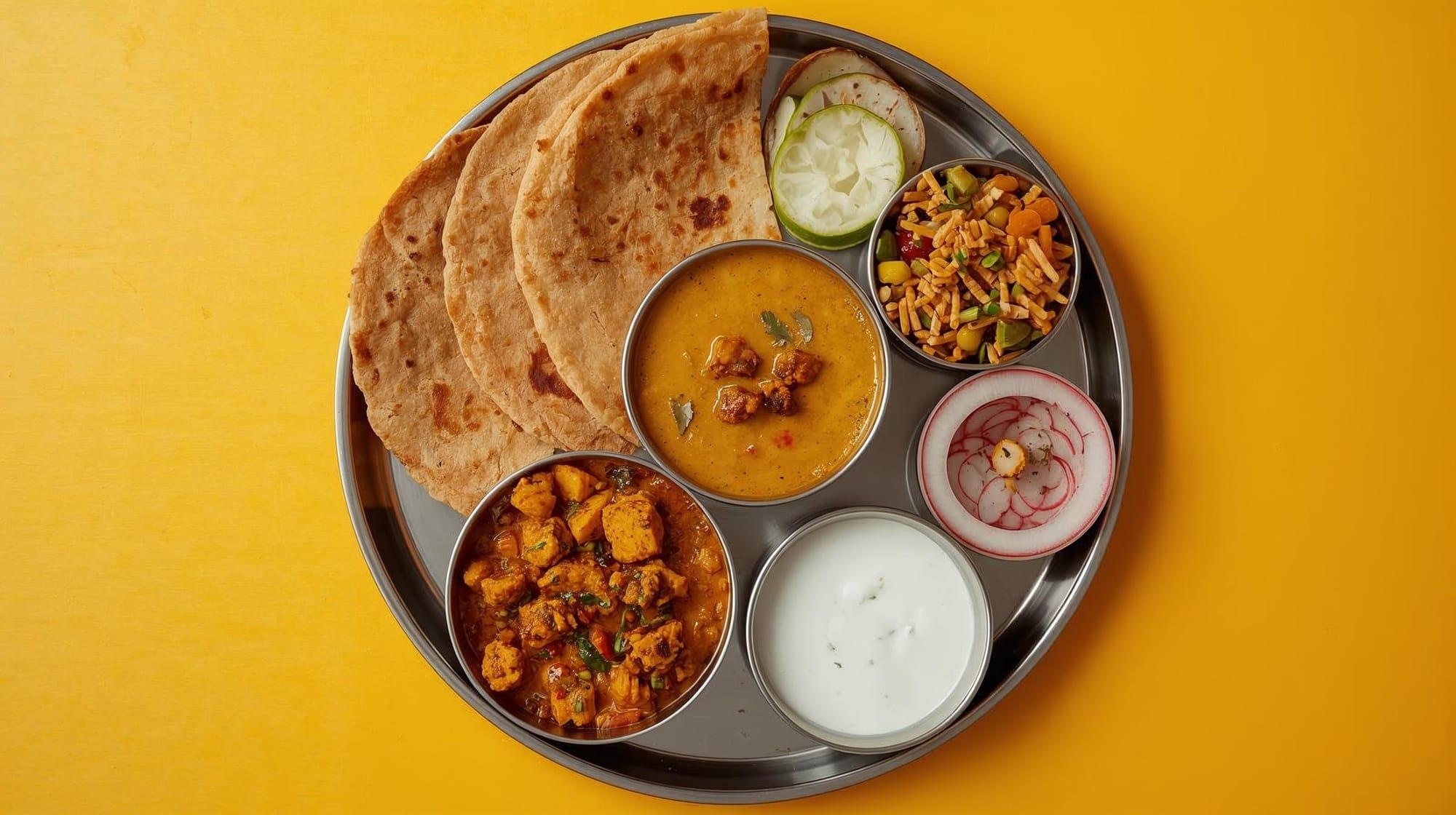
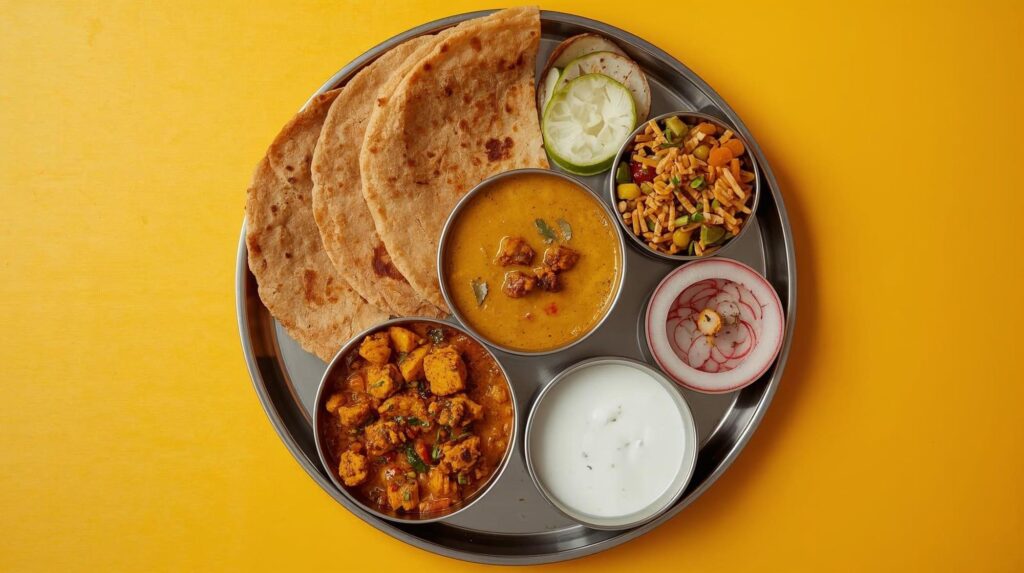
Polycystic Ovary Syndrome (PCOS) is one of the most common hormonal disorders affecting women in India today. From irregular periods and weight gain to acne and fertility challenges, PCOS can impact both physical and emotional health.
But here’s the good news—your diet plays a powerful role in managing PCOS.
A well-balanced, PCOS-friendly diet can help regulate hormones, improve insulin sensitivity, support weight management, and reduce symptoms naturally.
In this guide, let’s understand what to eat, what to avoid, and why your diet matters so much if you have PCOS.
Why Diet Matters in PCOS
PCOS is closely linked to insulin resistance, where the body struggles to use insulin effectively. This leads to higher blood sugar levels and increased fat storage—especially around the abdomen.
An unhealthy diet (high sugar, refined carbs, processed food) worsens this condition, while the right foods can help reverse it.
What a good PCOS diet does:
- Stabilizes blood sugar levels
- Reduces inflammation
- Balances hormones
- Supports healthy weight loss
- Improves menstrual regularity
What to Eat in a PCOS Diet Plan
1. Low Glycemic Index (GI) Foods
Low GI foods release sugar slowly into the bloodstream, preventing insulin spikes.
Include:
- Whole grains (brown rice, oats, millets like ragi, jowar)
- Whole wheat roti
- Quinoa
- Sweet potatoes
2. High-Protein Foods
Protein helps control hunger, reduce cravings, and stabilize blood sugar.
Include:
- Eggs
- Paneer, tofu
- Chicken, fish
- Lentils (dal), chickpeas, rajma
3. Healthy Fats
Healthy fats support hormone production and reduce inflammation.
Include:
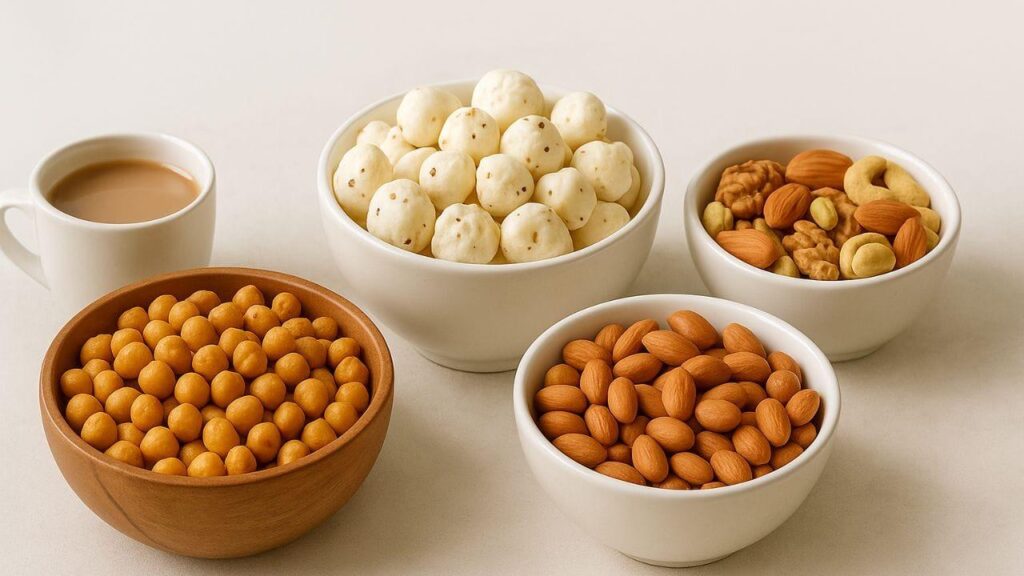
- Nuts (almonds, walnuts)
- Seeds (flaxseeds, chia seeds)
- Olive oil, mustard oil
- Avocados (if available)
4. Fiber-Rich Foods
Fiber slows digestion and improves insulin sensitivity.
Include:
- Leafy greens (spinach, methi)
- Vegetables (broccoli, carrots, beans)
- Fruits (apple, pear, berries)
5. Anti-Inflammatory Foods
PCOS is often linked with chronic inflammation.
Include:
- Turmeric
- Ginger
- Green tea
What to Avoid in PCOS

1. Refined Carbohydrates
- White bread
- Maida-based foods (naan, bakery items)
- Pasta made from refined flour
These cause rapid spikes in blood sugar.
2. Sugary Foods & Drinks
- Soft drinks
- Packaged juices
- Sweets, desserts
Sugar worsens insulin resistance and weight gain.
3. Processed & Packaged Foods
- Chips, biscuits
- Instant noodles
- Frozen ready-to-eat meals
These are high in unhealthy fats and additives.
4. Excess Dairy (for some women)
Some women with PCOS may experience inflammation or acne due to dairy.
5. Fried & Oily Foods
- Deep-fried snacks
- Fast food
These increase inflammation and hormonal imbalance.
Sample PCOS Diet Plan (Indian)

🌅 Morning (Empty Stomach)
- Warm water with lemon or soaked methi seeds
🍳 Breakfast
- Vegetable oats / poha with peanuts
- OR 2 eggs + whole wheat toast
☕ Mid-Morning Snack
- Fruit + handful of nuts
🍛 Lunch
- 1–2 roti + dal + sabzi + salad
- OR brown rice + chicken/fish + vegetables
🍵 Evening Snack
- Roasted chana / makhana / green tea
🍲 Dinner
- Grilled paneer/chicken + sautéed vegetables
- OR light khichdi with veggies
Lifestyle Tips for Managing PCOS
Diet alone is not enough—your lifestyle matters equally.
✔ Stay Active
Exercise improves insulin sensitivity and helps in weight management.
✔ Manage Stress
Stress increases cortisol, which worsens PCOS symptoms.
✔ Sleep Well
Aim for 7–8 hours of sleep daily.
✔ Avoid Crash Dieting
Extreme diets can worsen hormonal imbalance.
Why a Personalized Diet Plan Matters
Every woman’s body is different. PCOS symptoms vary from person to person.
Factors like:
- Weight
- Hormonal levels
- Lifestyle
- Medical history
…all affect how your body responds to food.
That’s why a customized diet plan designed by a professional dietitian can give much better results than generic plans.
Final Thoughts
PCOS is not something you “cure” overnight—but it can definitely be managed effectively with the right diet and lifestyle.
Instead of focusing on restriction, focus on balance, consistency, and nourishment.
Small daily changes—like switching to whole grains, reducing sugar, and staying active—can make a big difference in the long run.
Consult : https://share.google/3WhAT7bKYA1UsSenb