Deciding to quit alcohol is one of the most powerful steps you can take for your health. Whether your goal is better fitness, improved mental clarity, or long-term wellness, reducing or eliminating alcohol can create a significant positive impact on your body and mind.
But quitting alcohol isn’t just about willpower—it’s also about supporting your body with the right nutrition and lifestyle habits.
In this guide, let’s explore how alcohol affects your body, what happens when you quit, and how diet can support your recovery and long-term success.
How Alcohol Affects Your Body

Alcohol impacts almost every organ in your body.
Short-term effects:
- Poor sleep quality
- Dehydration
- Low energy
- Mood swings
Long-term effects:
- Weight gain
- Liver damage
- Hormonal imbalance
- Nutrient deficiencies
Regular alcohol consumption can also interfere with your metabolism, making weight loss and overall health harder to maintain.
What Happens When You Quit Alcohol

The benefits of quitting alcohol begin almost immediately.
Within a Few Days:
- Better hydration
- Improved sleep
- Reduced bloating
Within Weeks:
- Increased energy
- Improved digestion
- Clearer skin
Long-Term Benefits:
- Weight management
- Better liver health
- Improved mental clarity
- Reduced risk of chronic diseases
Why Diet Matters When Quitting Alcohol
Alcohol depletes essential nutrients like:
- B vitamins
- Magnesium
- Zinc
It also disrupts blood sugar levels, which can lead to cravings and energy crashes.
A well-balanced diet helps:
- Restore nutrient levels
- Reduce cravings
- Stabilize mood
- Support detoxification
Best Foods to Support Alcohol Recovery
1. Hydrating Foods & Fluids
Alcohol causes dehydration, so rehydration is key.
Include:
- Water
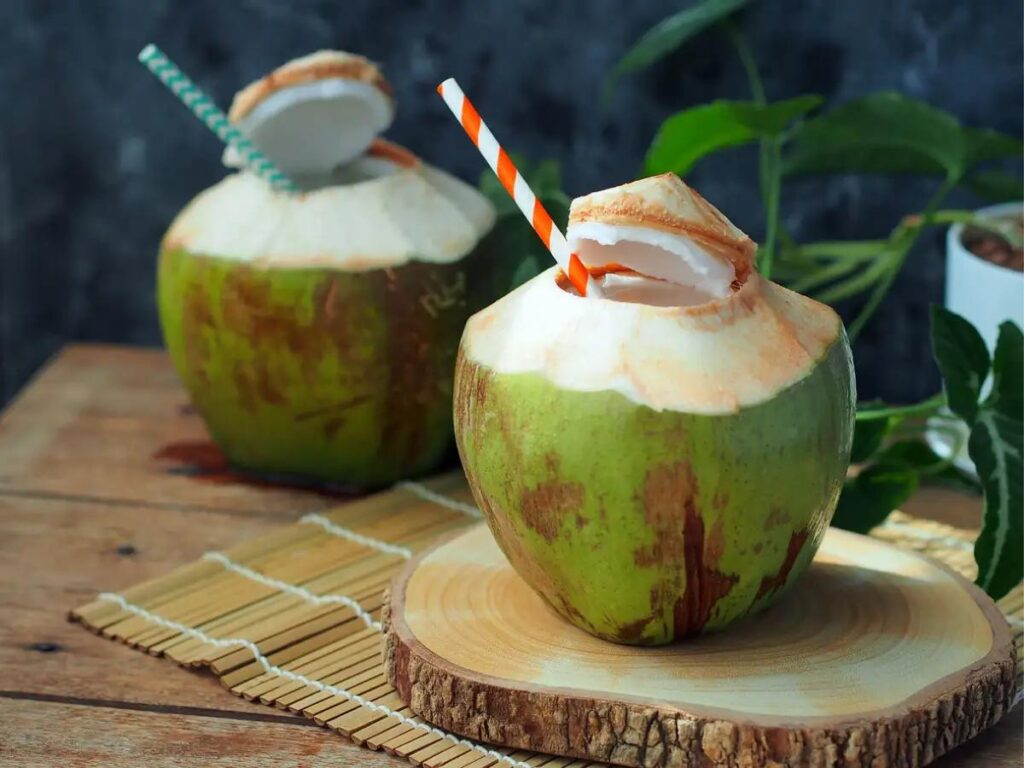
- Coconut water
- Herbal teas
- Water-rich fruits (watermelon, cucumber)
2. Protein-Rich Foods
Protein helps repair tissues and stabilize blood sugar.
Include:
- Eggs
- Lentils (dal)
- Chicken and fish
- Paneer or tofu
3. Complex Carbohydrates
These provide steady energy and reduce cravings.
Include:
- Whole grains (oats, brown rice)
- Whole wheat roti
- Millets
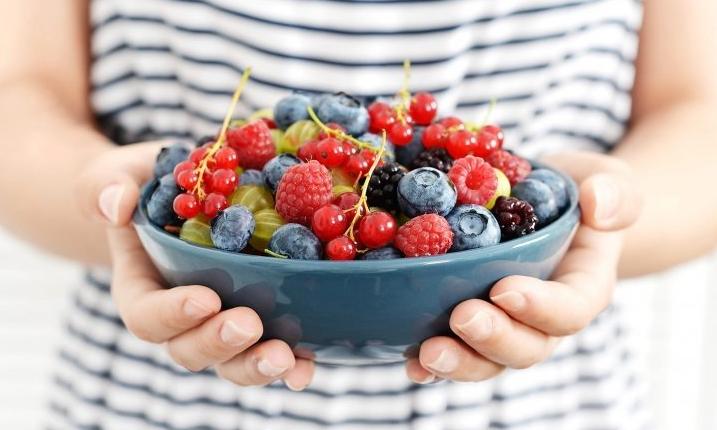
4. Fruits & Vegetables
Rich in vitamins and antioxidants, they support liver health and recovery.
5. Healthy Fats
Support brain health and reduce inflammation.
Include:
- Nuts and seeds
- Olive oil, mustard oil
- Fatty fish
Foods to Avoid While Quitting Alcohol
1. Sugary Foods
Can increase cravings and cause energy crashes.
2. Processed Foods
Lack nutrients and slow recovery.
3. Excess Caffeine
May increase anxiety and disrupt sleep.
4. Fried & Oily Foods
Hard to digest and may worsen fatigue.
Managing Cravings Without Alcohol
Cravings are normal when quitting alcohol, especially in the initial phase.
✔ Stay Hydrated
Sometimes thirst is mistaken for cravings.
✔ Eat Regular Meals
Prevents blood sugar drops that trigger cravings.
✔ Choose Healthy Alternatives
Try:
- Lemon water
- Herbal tea
- Fresh juices (unsweetened)
✔ Keep Yourself Busy
Engage in activities like walking, reading, or hobbies.
Lifestyle Tips to Stay Alcohol-Free
✔ Build a Routine
Structure helps reduce temptation.
✔ Exercise Regularly
Boosts mood and reduces stress.
✔ Get Enough Sleep
Improves recovery and reduces cravings.
✔ Manage Stress
Practice yoga, meditation, or deep breathing.
✔ Seek Support
Talk to friends, family, or professionals if needed.
Common Mistakes to Avoid
- Replacing alcohol with sugary drinks
- Skipping meals
- Isolating yourself
- Expecting instant results
- Ignoring emotional triggers
Quitting alcohol is not just about giving something up—it’s about gaining better health, clarity, and control over your life. With the right diet, proper hydration, and supportive lifestyle habits, you can make this transition smoother and more sustainable. Start small, stay consistent, and remember—every step you take toward a healthier lifestyle matters.
Consult with (https://share.google/xJi0qwRnAB3XJ2pdR) for detailed diet plan.