

Do you experience bloating, gas, or stomach discomfort after consuming milk or dairy products? You might be dealing with lactose intolerance, a common digestive issue affecting many people in India.
The good news is—you don’t have to compromise on nutrition. With the right diet, you can avoid discomfort while still meeting your body’s needs.
In this guide, let’s explore what lactose intolerance is, what to eat, what to avoid, and how to maintain a balanced dairy-free diet.
What Is Lactose Intolerance?
Lactose is a natural sugar found in milk and dairy products. To digest it, your body produces an enzyme called lactase.
In lactose intolerance, the body doesn’t produce enough lactase, leading to symptoms like:
- Bloating
- Gas
- Diarrhea
- Stomach cramps
This doesn’t mean you need to eliminate all dairy forever—but you do need to manage your intake wisely.
Why Diet Matters
Avoiding lactose without proper planning can lead to nutrient deficiencies—especially calcium and vitamin D.
A well-balanced lactose-free diet helps:
- Prevent digestive discomfort
- Maintain bone health
- Support overall nutrition
- Improve quality of life
Foods to Eat in a Lactose-Free Diet
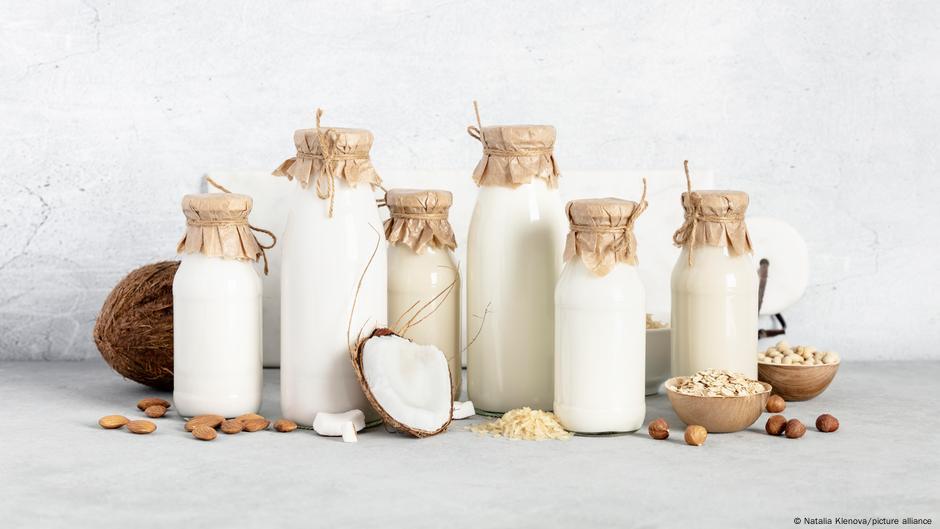
1. Plant-Based Milk Alternatives
Switching to dairy alternatives is the easiest way to manage lactose intolerance.
Options:
- Almond milk
- Soy milk
- Coconut milk
- Oat milk
2. Lactose-Free Dairy Products
Some products are specially treated to remove lactose.
Include:
- Lactose-free milk
- Lactose-free yogurt
- Hard cheeses (cheddar, parmesan in small amounts)
3. Calcium-Rich Non-Dairy Foods
Since dairy is limited, focus on alternative calcium sources.
Include:
- Ragi (finger millet)
- Sesame seeds (til)
- Tofu
- Green leafy vegetables
4. Protein-Rich Foods
Ensure adequate protein intake for overall health.
Include:
- Lentils (dal), chickpeas
- Eggs
- Chicken and fish
- Soy products
5. Fruits & Vegetables
Naturally lactose-free and packed with nutrients.
Foods to Avoid
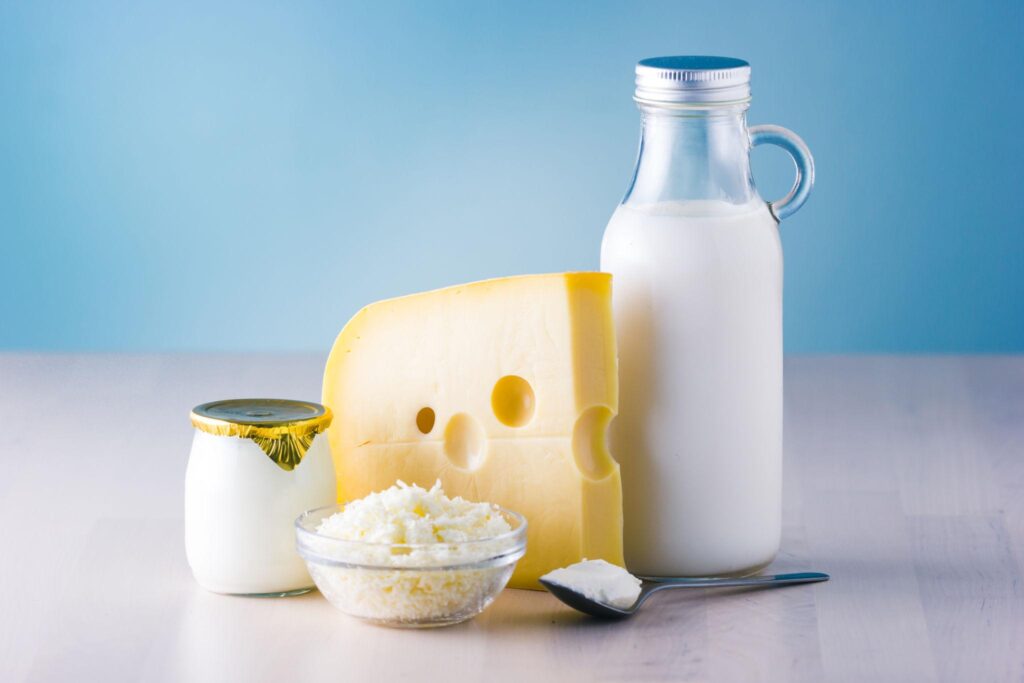
1. Milk & Milk-Based Drinks
- Cow milk, buffalo milk
- Milkshakes
2. High-Lactose Dairy Products
- Ice cream
- Cream
- Condensed milk
3. Paneer & Soft Cheese
These contain higher amounts of lactose.
4. Hidden Sources of Lactose
- Biscuits, bread
- Packaged snacks
- Cream-based gravies
Always check labels for ingredients like milk solids, whey, or casein.
Sample Indian Lactose-Free Diet Plan
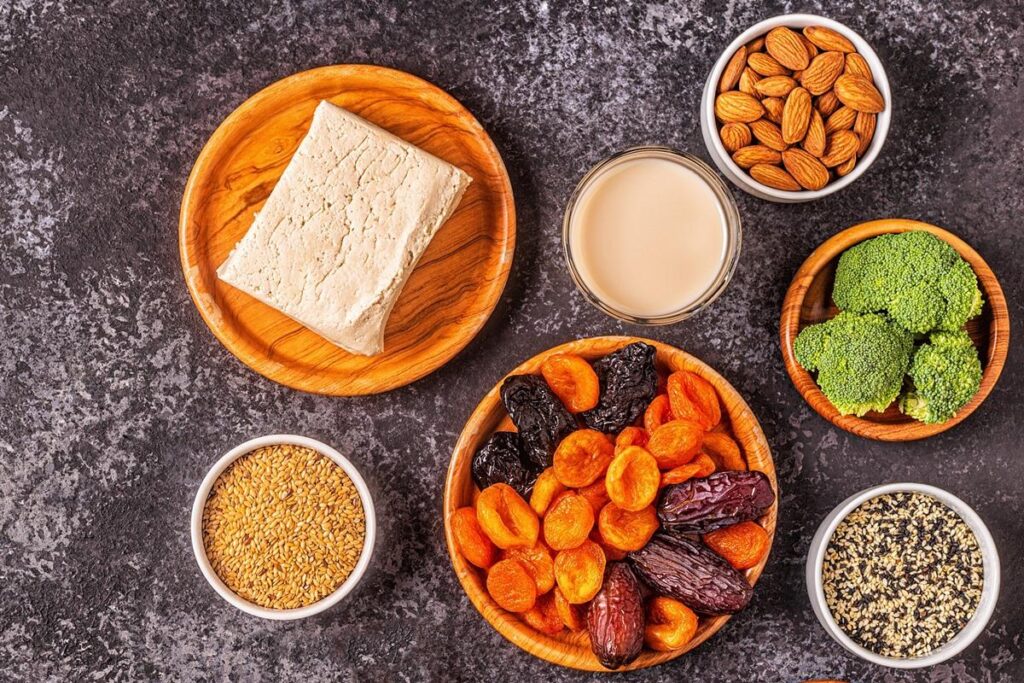
🌅 Early Morning
- Warm water + soaked nuts
🍳 Breakfast
- Vegetable poha / upma
- OR oats made with almond milk
☕ Mid-Morning
- Fruit + handful of seeds
🍛 Lunch
- 1–2 roti + dal + sabzi
- OR rice + chicken/fish + vegetables
🍵 Evening Snack
- Roasted makhana / peanuts
🍲 Dinner
- Grilled paneer alternative (tofu) + veggies
- OR khichdi with vegetables
Tips to Manage Lactose Intolerance
✔ Start Small
Some people can tolerate small amounts of dairy.
✔ Choose Fermented Dairy
Curd or yogurt may be easier to digest for some individuals.
✔ Read Labels Carefully
Avoid hidden lactose in packaged foods.
✔ Try Lactase Supplements
Can help digest lactose when consuming dairy occasionally.
✔ Maintain Nutrient Balance
Ensure enough calcium, protein, and vitamin D.
Common Mistakes to Avoid
- Eliminating dairy without replacing nutrients
- Ignoring hidden lactose in processed foods
- Not reading food labels
- Assuming all dairy must be avoided completely
Why Personalized Diet Matters
Lactose intolerance varies from person to person.
Some people can tolerate:
- Small amounts of milk
- Certain dairy products
Others may need stricter avoidance.
A customized diet plan from a professional dietitian (https://share.google/xJi0qwRnAB3XJ2pdR) helps ensure:
- Proper nutrition
- Symptom control
- Better lifestyle management
With the right diet, you can enjoy a variety of delicious, nutritious meals without discomfort.
Focus on balance, awareness, and consistency, and your digestive health will improve significantly.