
As we age, our body’s nutritional needs change. Metabolism slows down, appetite may decrease, and the risk of chronic diseases increases. This makes a balanced and nutrient-rich diet essential for elderly people.
Good nutrition in old age is not just about eating less—it’s about eating right.
In this guide, let’s explore what elderly people should eat, what to avoid, and how proper nutrition supports healthy aging.
Why Nutrition Is Important for the Elderly
A well-planned diet can significantly improve quality of life in older adults.
Benefits of a healthy elderly diet:
- Boosts immunity
- Maintains muscle strength
- Supports bone health
- Improves digestion
- Reduces risk of chronic diseases (diabetes, heart disease)
- Enhances mental well-being
As the body ages, nutrient absorption declines, making it even more important to choose nutrient-dense foods.
Key Nutritional Needs for Elderly People
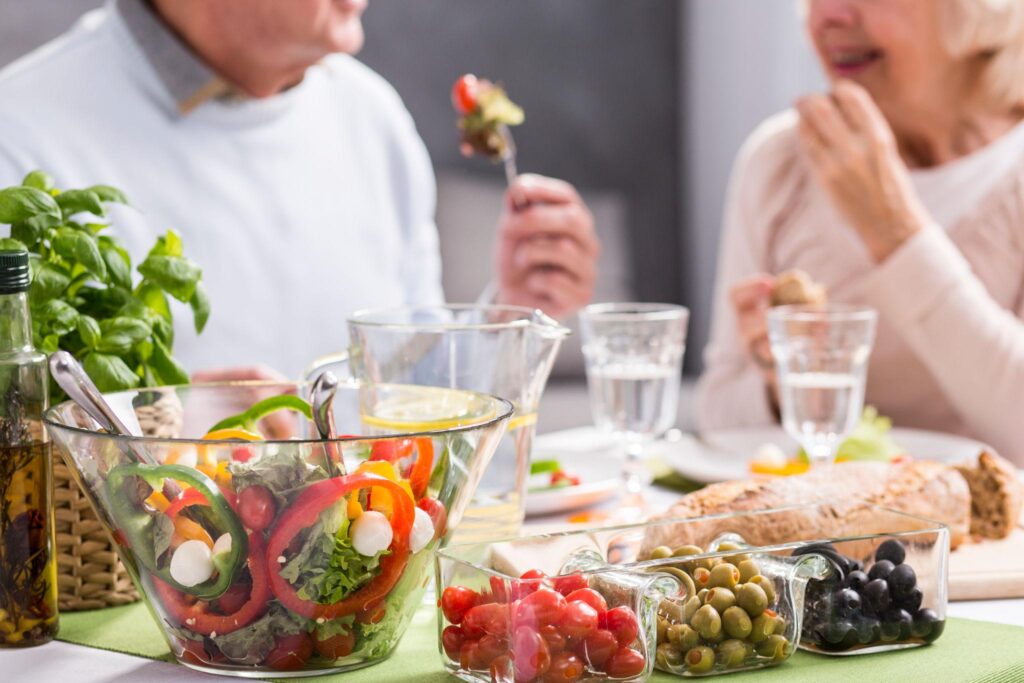
1. Protein for Muscle Strength
Muscle loss is common with aging, leading to weakness and reduced mobility.
Include:
- Dal, chickpeas, rajma
- Paneer, curd
- Eggs
- Fish and chicken (if non-vegetarian)
2. Calcium & Vitamin D for Bone Health
Weak bones increase the risk of fractures.
Include:
- Milk and dairy products
- Ragi (rich in calcium)
- Sesame seeds (til)
- Sunlight exposure for Vitamin D
3. Fiber for Better Digestion
Constipation is a common issue in elderly individuals.
Include:
- Whole grains (oats, brown rice)
- Fruits (papaya, apple)
- Vegetables (carrots, beans, spinach)
4. Healthy Fats for Heart Health
Good fats support brain and heart health.
Include:
- Nuts and seeds
- Mustard oil, olive oil
- Fatty fish
5. Hydration Is Crucial
Elderly people often feel less thirsty, increasing the risk of dehydration.
Include:
- Water
- Coconut water
- Soups and buttermilk
What Should Elderly People Avoid?

1. Excess Salt
Can increase blood pressure and strain the heart.
2. Sugary Foods
Raises risk of diabetes and weight gain.
3. Fried & Oily Foods
Difficult to digest and harmful for heart health.
4. Processed Foods
Contain preservatives and unhealthy fats.
5. Excess Tea/Coffee
May affect sleep and hydration.
Sample Indian Diet Plan for Elderly

🌅 Early Morning
- Warm water + soaked almonds
🍳 Breakfast
- Vegetable upma / oats porridge / idli
- OR boiled eggs + toast
☕ Mid-Morning
- Seasonal fruit (papaya/apple)
🍛 Lunch
- 1–2 soft roti + dal + sabzi
- OR rice + fish curry + vegetables
🍵 Evening Snack
- Green tea + roasted chana
🍲 Dinner (Light)
- Khichdi / vegetable soup / दलिया
🥛 Bedtime
- A glass of warm milk
Special Dietary Considerations
1. For Diabetes
- Avoid sugar and refined carbs
- Choose low GI foods
2. For High Blood Pressure
- Reduce salt intake
- Avoid packaged foods
3. For Weak Digestion
- Eat soft, easy-to-digest foods
- Avoid heavy and spicy meal
4. For Poor Appetite
- Eat small, frequent meals
- Include nutrient-dense snacks
Lifestyle Tips for Healthy Aging
✔ Stay Physically Active
Light exercises like walking or yoga improve mobility and digestion.
✔ Maintain Routine
Regular meal timings improve metabolism.
✔ Focus on Mental Health
Social interaction and hobbies are important.
✔ Regular Health Checkups
Monitor blood sugar, cholesterol, and blood pressure.
Why Personalized Nutrition Matters
Every elderly individual has different health conditions and nutritional needs.
Factors like:
- Medical history
- Medications
- Activity level
- Appetite
…play a key role in diet planning.
A customized diet plan from a professional dietitian (visit: https://share.google/yKlGnJ6sB3voMrW8p) ensures better health outcomes and improved quality of life.