
In a world obsessed with quick fixes and overnight transformations, the lure of crash diets is stronger than ever. But for those truly committed to long-term health and transformation, the question isn’t “How fast can I weight loss?” — it’s “How can I lose weight safely and keep it off?”
As a professional dietitian for weight loss, I’ve witnessed firsthand the pitfalls of extreme dieting, and today I’m breaking down why crash diets fail, why they can harm your health, and how a sustainable, science-backed approach leads to healthy weight loss that lasts.
Key Takeaways: Sustainable Weight Loss That Truly Works
Crash diets are not sustainable and often slow metabolism, cause muscle loss, and lead to weight regain.
Healthy weight loss focuses on long-term habits, not extreme calorie restriction.
A personalized diet chart for weight loss helps preserve muscle, improve metabolism, and reduce cravings.
Working with a professional dietitian for weight loss ensures nutrition plans are safe, realistic, and effective.
A healthy diet plan for weight loss should include balanced meals, adequate calories, and flexibility.
Consistency, behavior change, and expert guidance matter more than quick results.
Consulting experienced professionals like Dietitian Bhaswati Banerjee, regarded as one of the best dietitians in Kolkata, can help you achieve lasting results without harming your health.
What Is a Crash Diet?
A crash diet typically involves:
Very low-calorie intake (often less than 800 calories/day)
Elimination of entire food groups
A promise of rapid body-weight reduction in a short time
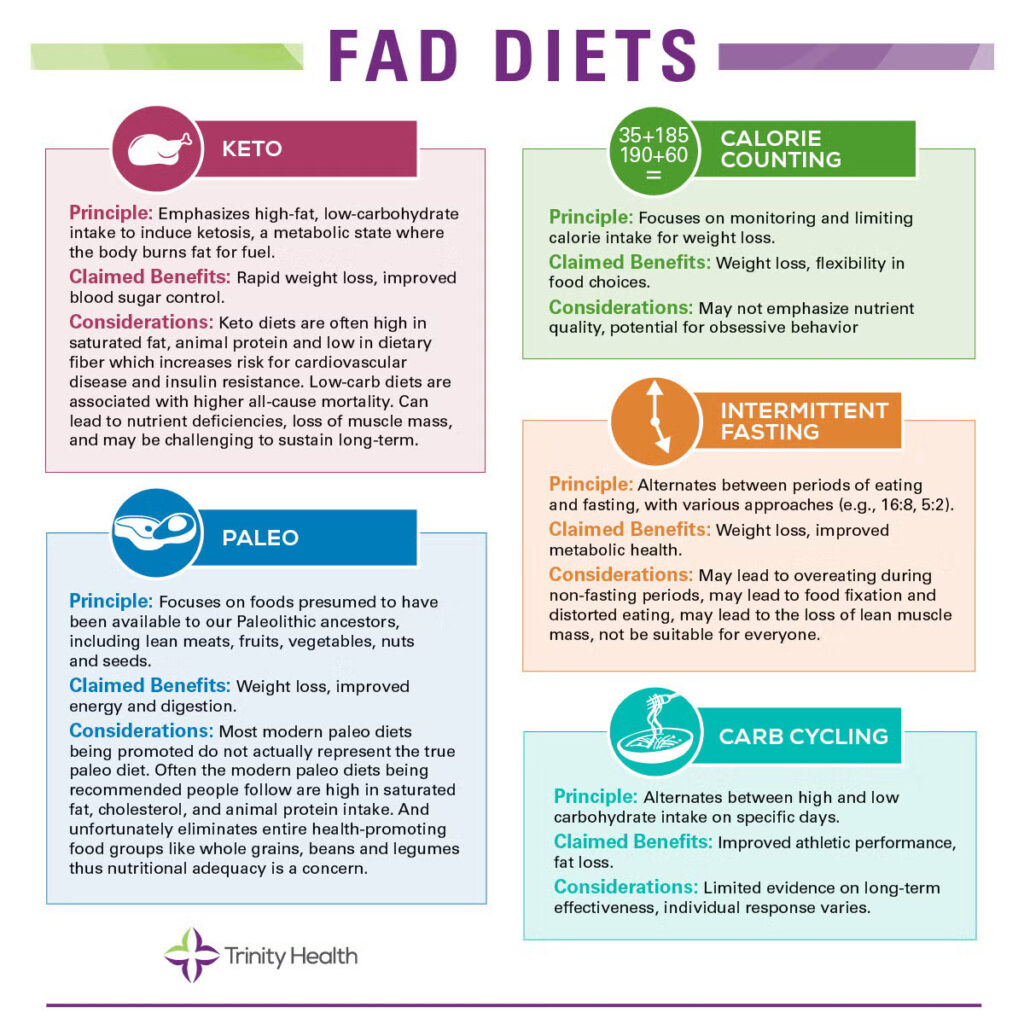
These diets gained popularity through social media, reality shows, and celebrity endorsements. But what most people don’t realize is that while they can offer dramatic short-term results, the long-term consequences are often counterproductive.
Why People Fall for Crash Diets
Here’s why crash diets remain appealing:
Instant Gratification Culture: We live in an “I want it now” world — quick results feel rewarding.
Social Media Influencers: Before/after images spread fast, convincing people that these results are realistic.
Diet Myths: Misleading advice about cutting entire macronutrients or extreme calorie restriction sounds plausible without professional context.
But as tempting as they are, these diets rarely work — especially if your goal is healthy weight loss.
The Science: Why Crash Diets Don’t Work Long Term
1. Slows Down Your Metabolism
When caloric intake drops drastically, your body perceives it as a threat. In response:
Metabolism slows to conserve energy
Muscle mass decreases
Fewer calories are burned at rest
This means once you return to your regular eating pattern, you regain weight — often faster than you lost it.
2. Muscle Loss Instead of Fat Loss
Crash diets often don’t provide enough protein. Without adequate protein and strength-focused activity:
Your body breaks down muscle for fuel
You lose muscle mass instead of fat
Lower muscle mass = lower metabolism
Healthy weight loss isn’t just about the scale — it’s about preserving muscle and burning fat efficiently.
3. Triggers Compulsive Eating Cycles
Research shows that extreme restriction increases cravings and binge-eating tendencies. When the brain feels deprived, hunger hormones spike, leading to:
Emotional eating
Loss of control
Relationship with food becomes stressful
In contrast, a healthy diet plan for weight loss promotes balance, not deprivation.
Sustainable Strategies That Do Work
1. Build a Balanced Diet With Real Foods
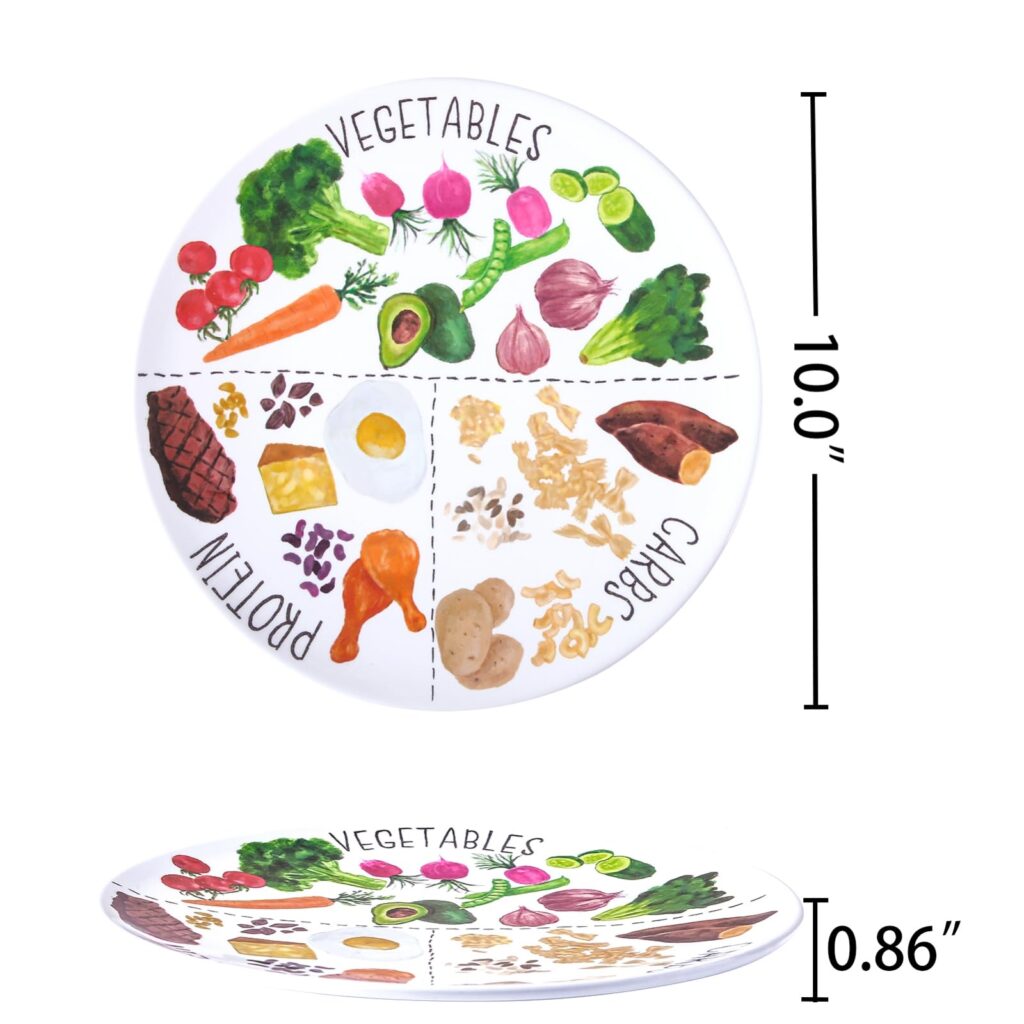
A balanced approach includes:
Proteins (lean meats, legumes, tofu)
Healthy fats (avocado, nuts, seeds)
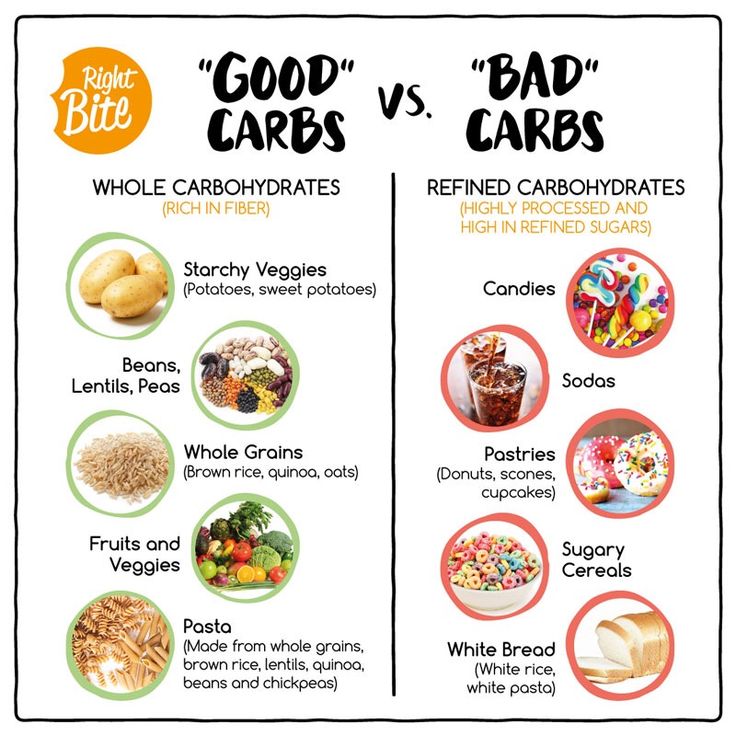
Complex carbohydrates (whole grains, veggies)
Fiber-rich foods for satiety
This is where a professional diet chart for weight loss makes all the difference.
2. Eat Enough Calories for Your Body
Restricting calories too drastically:
Worsens metabolism
Increases hunger hormones
Reduces energy
Instead, work with a dietitian to find a good diet plan for weight loss that matches your lifestyle, activity level, and preferences.
3. Prioritize Strength Training + Movement
Weight training helps:
Preserve muscle
Maintain metabolic rate
Improve body composition
Physical activity shouldn’t be a punishment — it should support your goals.
4. Focus on Behavior Change, Not Body Shame
Mindset matters. Sustainable weight loss involves:
Understanding hunger cues
Managing stress
Improving sleep quality
Setting realistic goals
This is much more effective than the temporary success of crash diets.
Role of a Dietitian in Lasting Weight Loss
If you’ve ever struggled with diets that “worked” for a while only to have the weight return, you’re not alone. That’s because sustainable weight loss isn’t about deprivation — it’s about personalization.
A dietitian for weight loss:
Assesses medical history and lifestyle
Creates tailored nutrition plans
Provides accountability and education
Helps avoid common pitfalls of fad dieting
When guided correctly, weight loss becomes empowering rather than frustrating.
Proven Benefits of Sustainable Weight Loss
Research shows that even moderate weight loss (5–10% of body weight) can significantly improve:
Blood sugar control
Blood pressure
Cholesterol levels
Inflammation markers
This is true healthy weight loss — it enhances health, not just appearances.
Success Stories: What Works in the Real World
People who succeed long-term tend to:
Eat real, minimally processed foods
Focus on consistency, not perfection
Track progress in ways that matter (energy levels, performance, clothes fit)
Get professional guidance
It’s no surprise that clients working with experienced nutrition experts like Dietitian Bhaswati Banerjee, one of the best dietitians in Kolkata, find lasting results — not temporary fixes.
Final Thoughts: Say Goodbye to Fad Diets
Crash diets might promise rapid changes, but the cost is often:
A slower metabolism
Muscle loss
Emotional stress
Regained weight
Instead, aim for a healthy diet plan for weight loss — one that respects your body, supports your goals, and fits your life.
If you’re tired of short-lived results and ready for change that lasts, it might be time to work with a dietitian for weight loss who can design a diet chart for weight loss that’s safe, effective, and personalized — because the best health journey isn’t about how fast you get there, but how well you sustain it.
Frequently Asked Questions (FAQs)
1. Why do crash diets cause weight gain?
Crash diets drastically reduce calorie intake, forcing the body into survival mode. This slows metabolism and increases fat storage once normal eating resumes, leading to rapid weight regain.
2. What is considered healthy weight loss?
Healthy weight loss is gradual and sustainable—typically 0.5 to 1 kg per week—achieved through balanced nutrition, adequate protein, physical activity, and lifestyle changes rather than extreme restriction.
3. Is a diet chart for weight loss better than following online diet plans?
Yes. A personalized diet chart for weight loss considers your age, medical history, lifestyle, food preferences, and metabolic needs, making it far more effective than generic online plans.
4. How does a dietitian for weight loss help differently?
A dietitian for weight loss provides evidence-based guidance, monitors progress, prevents nutritional deficiencies, and helps you build sustainable habits instead of relying on short-term fixes.
5. Can I lose weight without giving up my favorite foods?
Absolutely. A good diet plan for weight loss allows flexibility. Sustainable plans focus on portion control, balance, and mindful eating—not total food elimination.
6. How long does sustainable weight loss take?
Sustainable weight loss is a gradual process. While results vary, most people begin noticing improvements in energy, digestion, and body composition within 4–6 weeks of following a structured plan.
7. Who should consult Dietitian Bhaswati Banerjee?
Anyone struggling with repeated weight regain, metabolic issues, lifestyle-related weight gain, or confusion about nutrition can benefit. Dietitian Bhaswati Banerjee, recognized as one of the best dietitians in Kolkata, specializes in personalized and sustainable weight loss approaches.
8. Is a healthy diet plan for weight loss suitable for working professionals?
Yes. A well-designed healthy diet plan for weight loss can be adapted to busy schedules, including meal timing, quick recipes, and eating-out strategies.